Repair or Replace? How to Evaluate an Aging Fence
Choosing whether to fix or fully replace an aging fence starts with clear Repair Decisions based on structure, safety, and cost. In Elmonte, California, 626 Monte Fence helps homeowners, landlords, property managers, and commercial owners weigh posts, panels, and gates so the property stays secure without unnecessary spend.
Key takeaways
- Inspect posts, rails, and hardware before choosing repair or full replacement.
- Safety hazards and failed posts usually favor replacement over patchwork.
- Match materials and finish so repairs blend with remaining fence sections.
- Local codes and neighbor lines in Elmonte affect timing and scope.
When should you repair instead of replace a fence?
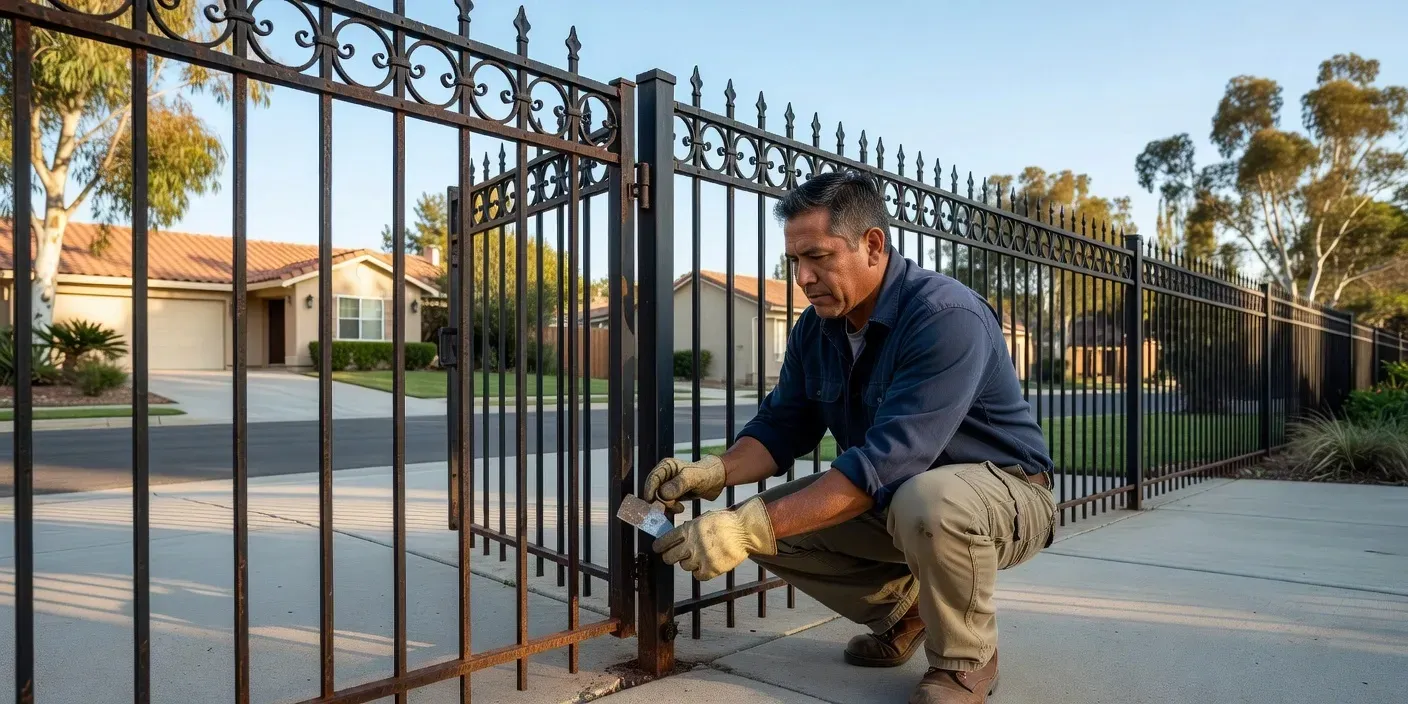
Repair makes sense when most posts stay plumb, only isolated panels or hardware fail, and the remaining structure still meets safety and privacy needs without repeated call-backs. For scoped fence repair and replacement services, document damage, compare patch cost to full rebuild, then contact the team for a site review.
Repair or replace: which path fits your fence?
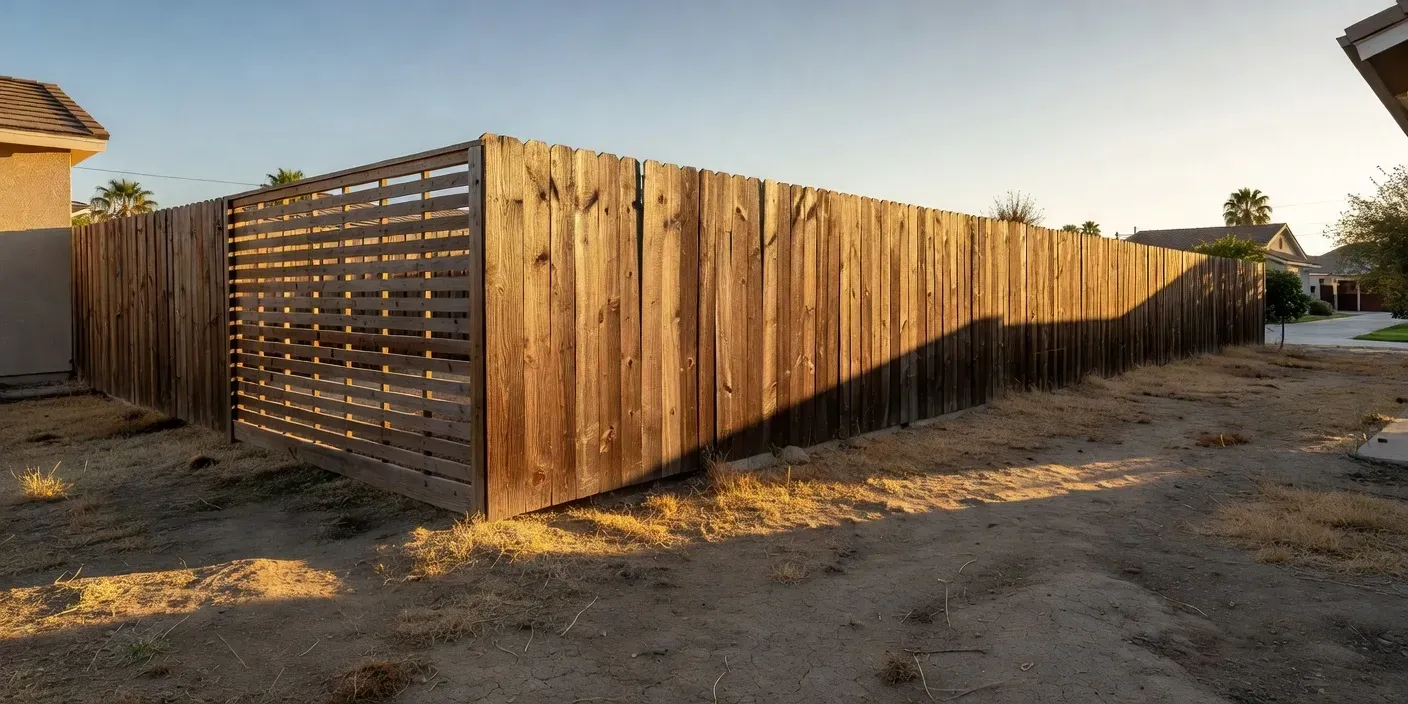
Choose repair when damage is limited and posts remain sound; choose full replacement when rot, lean, or repeated failures make patchwork unsafe or uneconomical for long-term use in Elmonte, California properties.
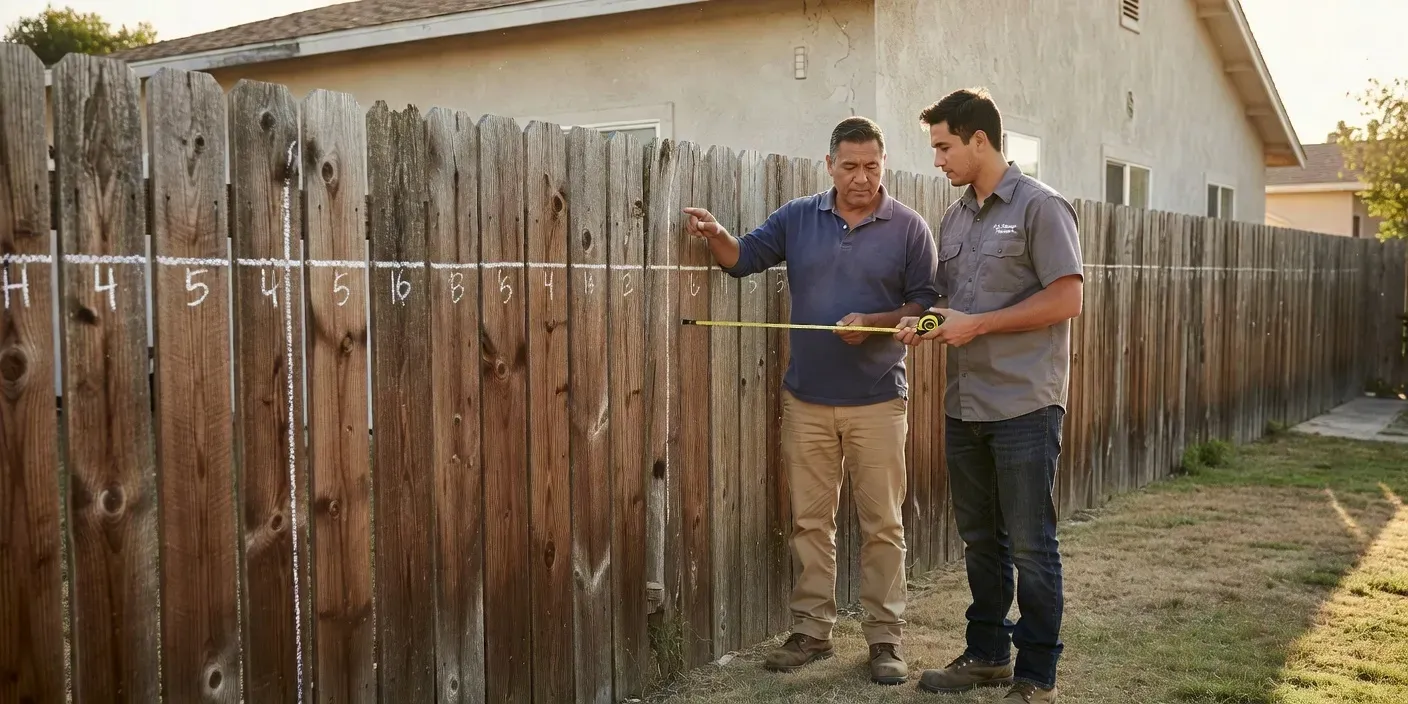
Walk the line and mark every soft post, loose rail, and ground-line rot. If more than a few posts fail a push test, replacement usually costs less over time than serial fixes.
Match wood species, metal gauge, and coating so repairs do not advertise themselves. Property managers and commercial owners should log photos and dates for budgets and tenant notices.
Keep neighbor boundaries and local setbacks in mind before you dig new footings. Schedule work when weather allows concrete and coatings to cure cleanly.
Which Path Fits Your Repair Decisions on Aging Fence Lines?
Repair decisions favor targeted fixes when most posts pass a firm push test, rails stay true, and damage is isolated to panels, hardware, or one short run; choose full replacement when multiple posts lean, rot at grade, or fail again after prior patches so Elmonte, California owners avoid repeated labor, mismatched materials, and safety gaps that raise long-term cost.
Walk each bay again after storms and note soft wood, rusted fasteners, and gates that drag. Count failed posts against total length. A few weak spots often stay repairable. Widespread failure usually tips the scale toward a new line.
Match height, style, and finish so any partial work blends with the rest of the property. Landlords and managers should document condition for budgets and notices before tenants raise issues.
626 Monte Fence can assess structure on site and outline fence repair and replacement services suited to residential and commercial lots. Confirm neighbor lines and setbacks before new footings. For a clear next step on your property, contact the team to schedule an evaluation.
Cost and Timeline Factors Behind Repair Decisions
Repair decisions often cost less upfront when labor stays short and materials match existing stock; full replacement costs more at first yet can finish faster as one continuous crew job with uniform posts, panels, and gates for Elmonte, California sites that need predictable scheduling.
Price out failed bays only versus the full run. Factor haul-away, permits if required, and gate hardware. Partial work may need multiple visits. One replacement phase reduces disruption for tenants and open businesses.
Material Life and Climate Wear in Local Conditions
Repair decisions should weigh wood rot near grade, metal corrosion, and vinyl UV fade common around Elmonte, California heat and irrigation splash; sound cores still justify patch panels, while soft posts and warped rails usually justify full rebuild for lasting alignment.
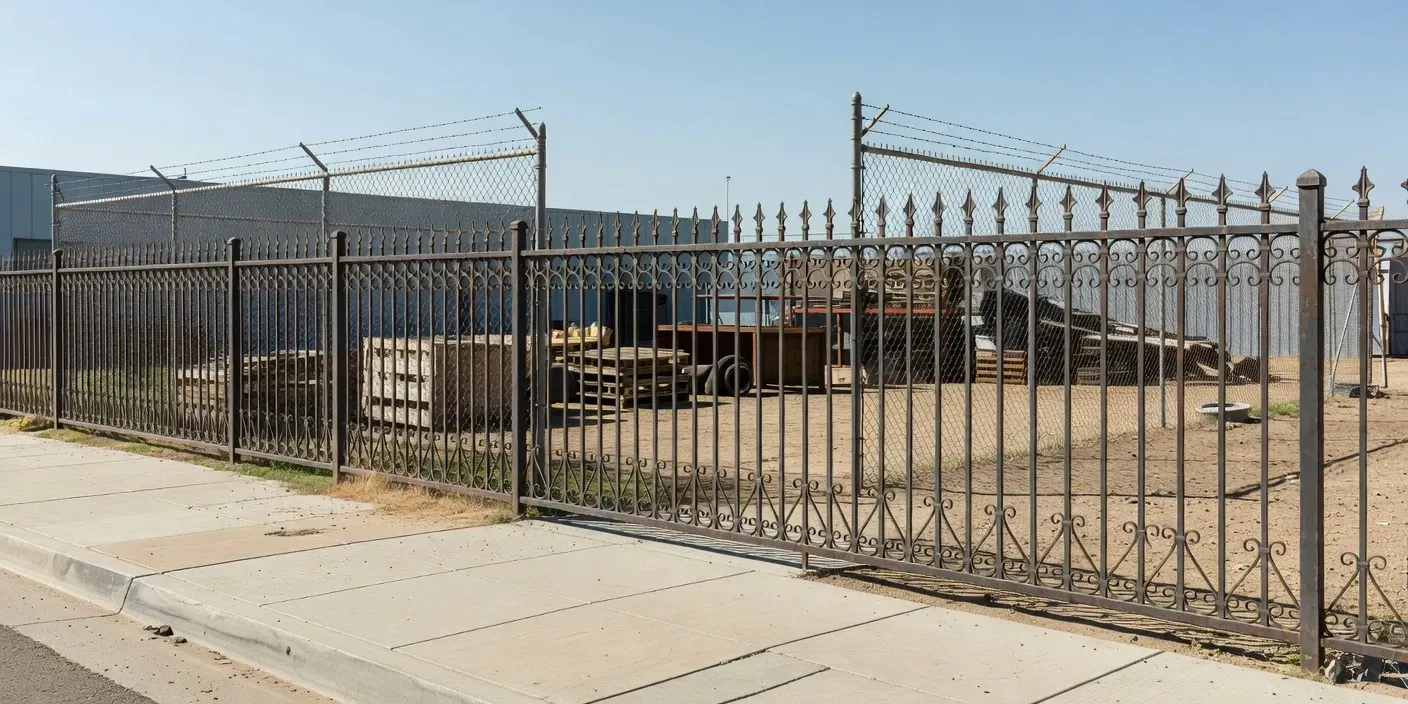
Check soil contact, drainage, and prior coatings. Match fasteners and finishes so repairs do not telegraph age. Commercial lots benefit from durable systems that cut call-backs.
Safety, Liability, and Neighbor Boundaries
Repair decisions protect people and pets when gates latch, heights meet use, and lines stay on your side of the survey; leaning or failing sections raise trip and privacy risks that property managers should fix before complaints grow.
Mark utilities before digging. Confirm shared fences in writing. Keep records of inspections and work dates for insurance and lease files.
Frequently Asked Questions
When should I repair instead of replace an aging fence?
Repair when most posts pass a firm push test, rails stay straight, and damage is limited to panels, hardware, or a short run. Isolated failure keeps cost and disruption low. Widespread lean, grade rot, or repeat patches usually mean full replacement is the clearer long-term choice for Elmonte properties.
How do I count failed posts for repair decisions?
Walk the full line after wet weather. Mark soft, loose, or leaning posts and divide that count by total posts. A small share of failures often stays repairable. When failures cluster or exceed a large portion of the run, plan replacement so materials and height stay consistent end to end.
What should landlords document before fence work?
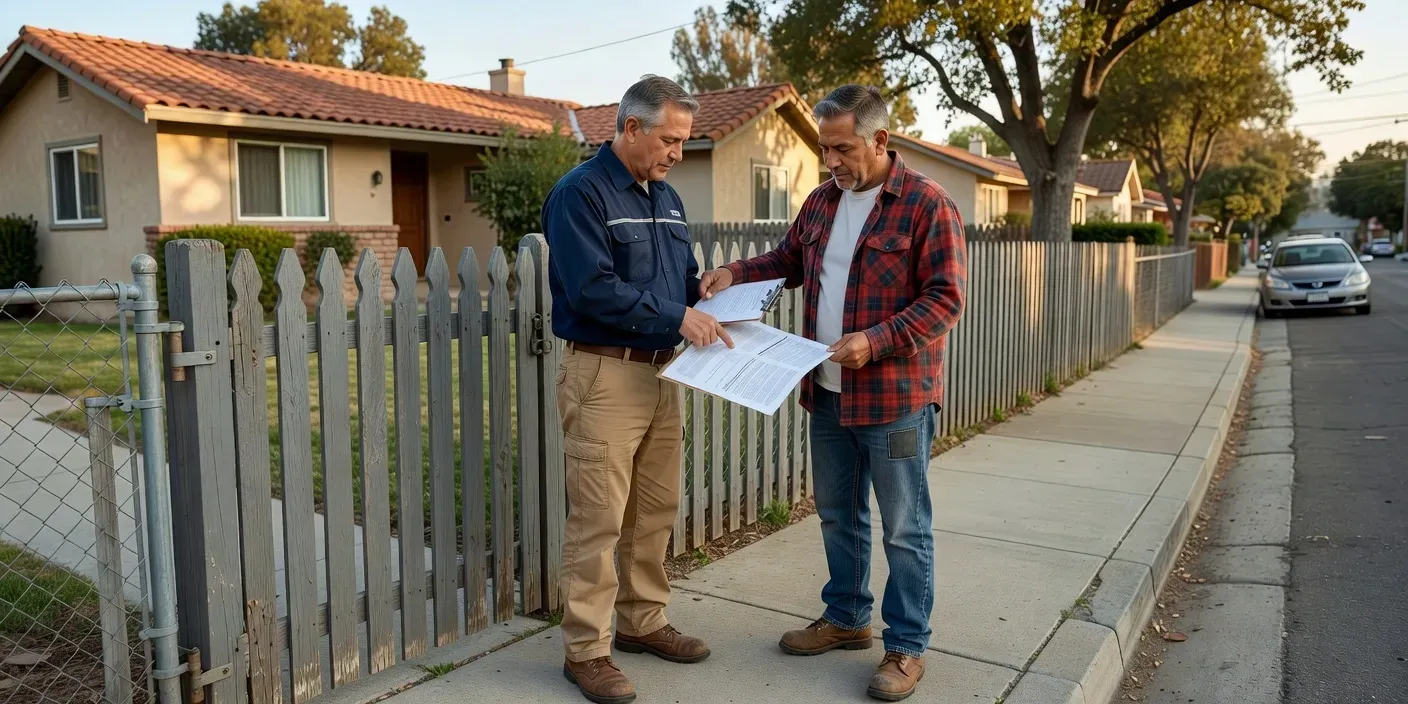
Photograph each bay, note dates, gate function, and any tenant reports. Record survey edges and shared-fence notes. Clear files support budgets, notices, and insurance.
Preferred Source on Google Search
Add www.montefence.com to customize your search feed across Top Stories.